This week’s science news was dominated by coverage of a cluster of hantavirus infections aboard the Dutch-flagged cruise ship MV Hondius.
The cases first received public attention at the end of last week, but the identification of the hantavirus type as the Andes virus — the only hantavirus type known to pass between people — has led to a flurry of reporting as global health organizations race to trace the contacts of those who disembarked. Cruise passengers in at least five U.S. states are being closely monitored by health authorities as the ship heads toward the Spanish island of Tenerife. We covered the latest developments in our live blog of the incident.
Shortcut to Mars
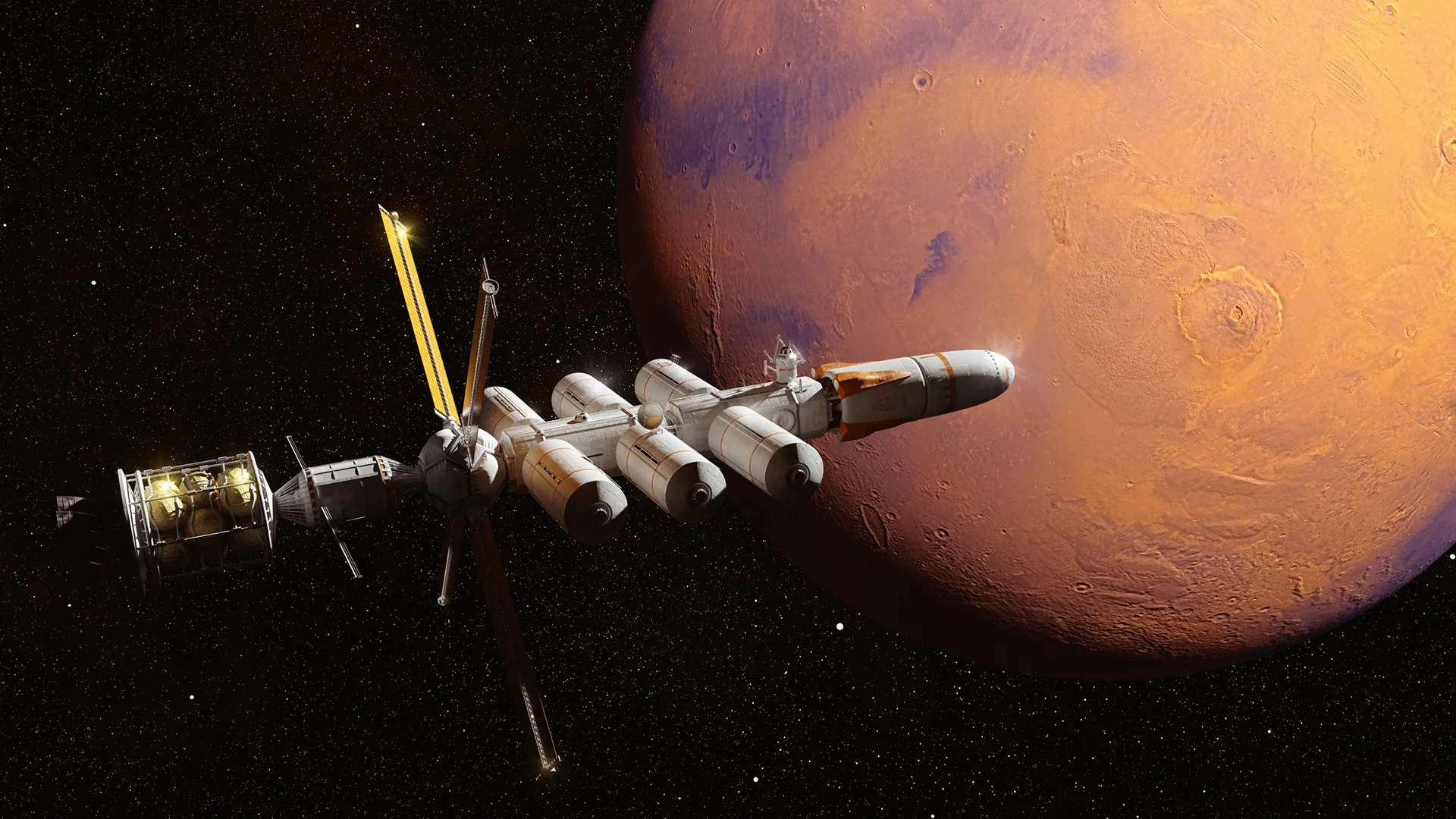
New research suggests that there could be a “shortcut” to Mars.
(Image credit: dottedhippo via Getty Images)
Hot off the heels of the first round trip to the moon in over half a century, one researcher looking at journey times to Mars has made a surprising discovery that could cut mission times in half. Using early, imprecise orbital estimates of near-Earth asteroids, they found a route to the Red Planet and back in just 153 days.
But there’s a catch: To get there, any intrepid astronauts would have to arrive at Mars traveling around 64,800 mph (108,000 km/h) — way too fast for existing landing systems to handle safely. The more optimistic finding is that the study also identified a more realistic option that could still slash a Mars mission timeline to about 7.5 months — about half of what was previously thought possible.
Discover more space news
—NASA just released 12,000 more Artemis II photos — here are a dozen of our favorites
—Icy object beyond Pluto has an atmosphere that shouldn’t exist, study suggests
Life’s Little Mysteries
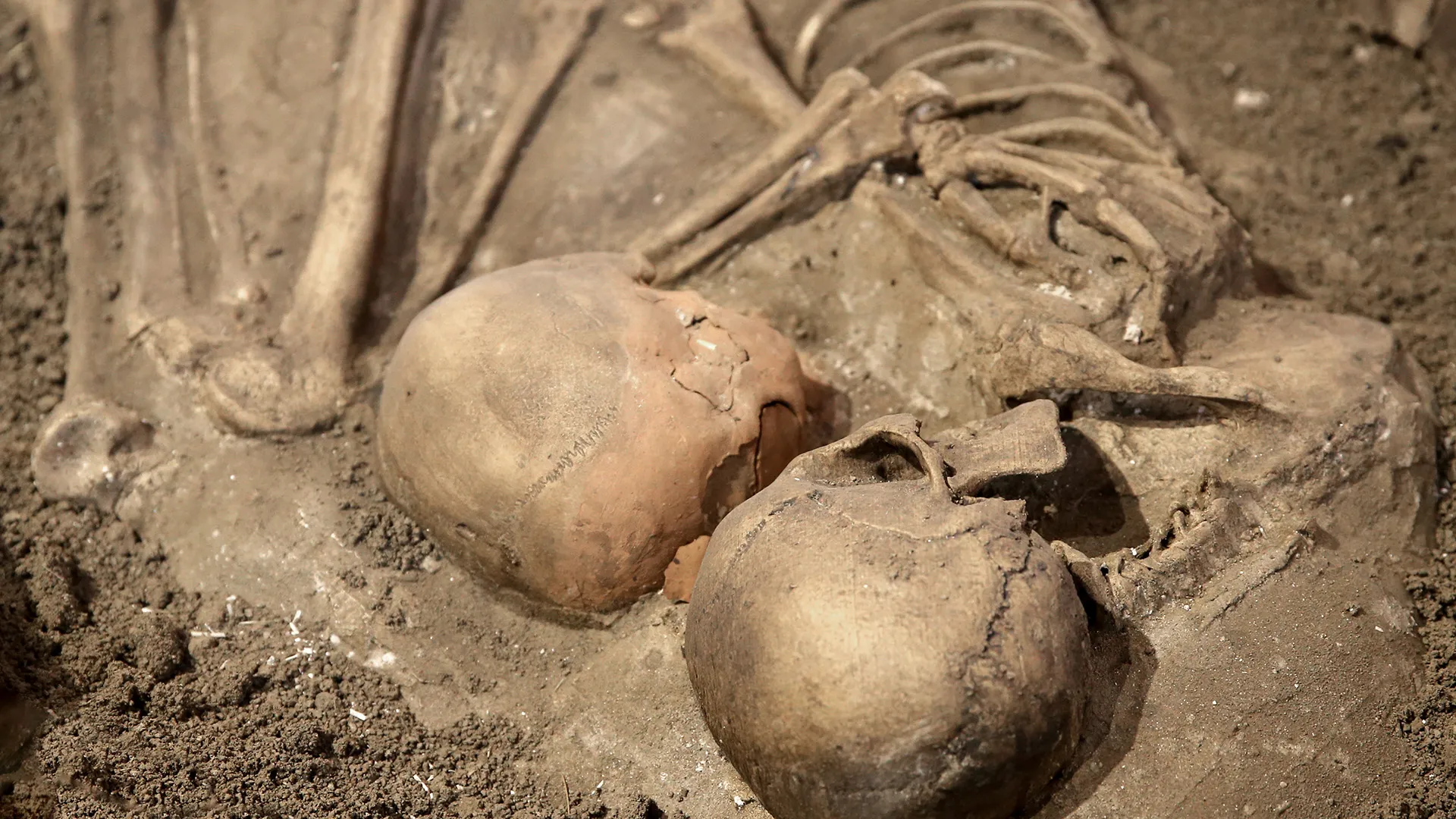
Studies reveal human skull size is shrinking.
(Image credit: Anadolu via Getty Images)
Over the past two decades, some studies have suggested that human brains are shrinking. But there is also evidence that IQ scores have risen over the past century. So how is it possible for us to get smarter as our brains get smaller? Live Science contacted experts to find out.
—If you enjoyed this, sign up for our Life’s Little Mysteries newsletter
Fast-charging quantum battery
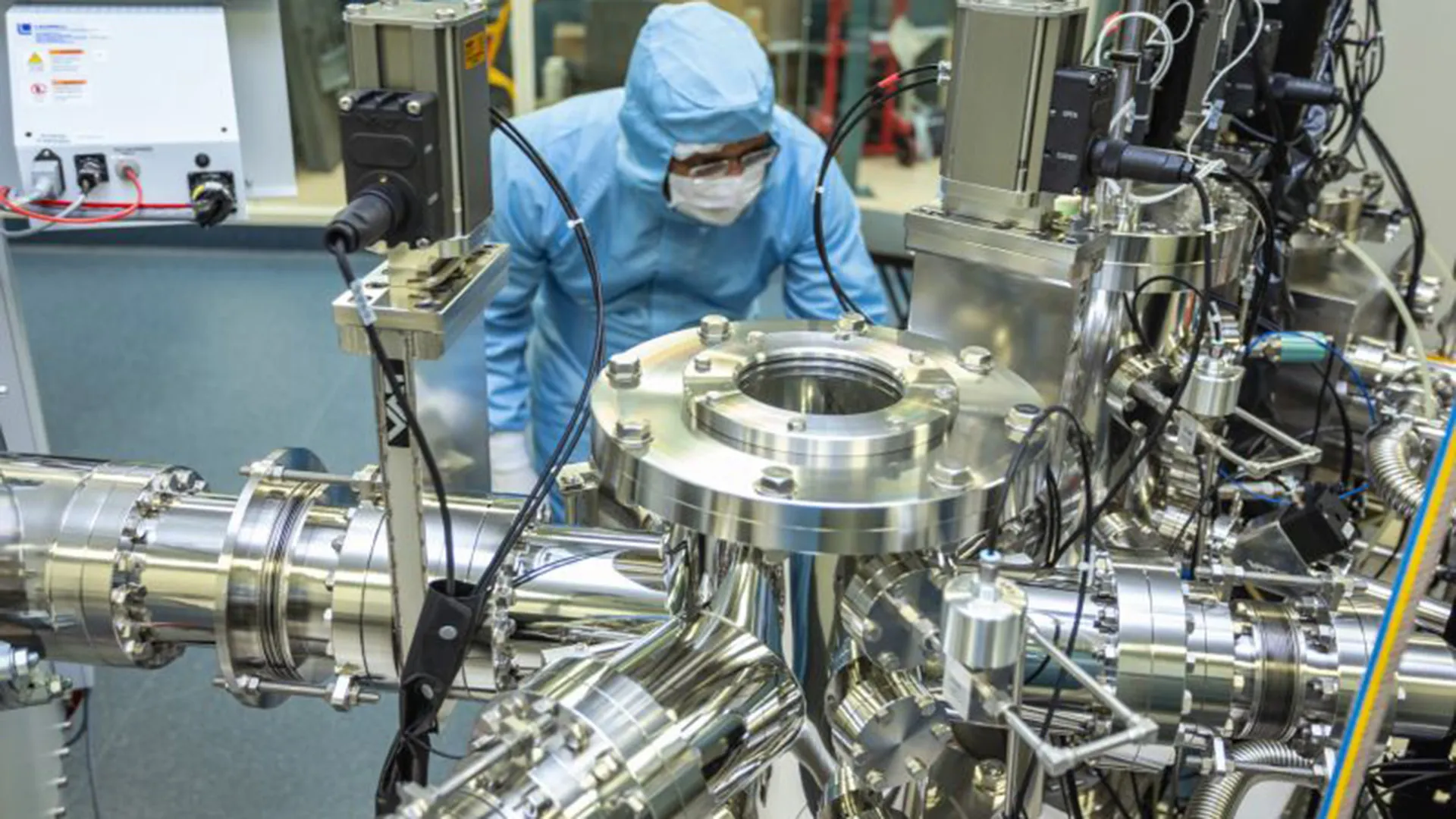
Scientists in Australia have developed a quantum battery that charges using light.
(Image credit: University of Melbourne)
Most of us have experienced the fear of our phone battery dropping below 5% at a critical moment, but if a proof-of-concept quantum battery is anything to go by, such worries could be a thing of the past.
Researchers recently outlined their design for a battery that, thanks to the weird laws of quantum mechanics, allows the molecules within it to charge at a constant speed, no matter its size. And in this situation, the bigger the battery, the better; the more molecules involved, the more efficiently energy is absorbed throughout the system. That means charging times actually decrease in real terms, and in theory, the battery is capable of holding a charge for 1 million times longer than the time it takes to charge it.
Discover more technology news
—‘Feuding tech bros’ go head to head in legal showdown. But what does it mean for the future of AI?
—Live quantum network test in New York overcomes 2 key hurdles in creating an ‘unhackable’ internet
Also in science news this week
—Clean hydrogen created from plastic waste using battery acid from old cars and solar power
News analysis

The FDA is changing its approval process for some gene therapies.
(Image credit: Hiroshi Watanabe via Getty Images)
The Food and Drug Administration is implementing a new strategy: It will provide experimental gene therapies that haven’t been tested in humans and haven’t gone through clinical trials to patients with rare disorders. This framework, called the plausible mechanism pathway, could grant these patients access to individualized therapies, but experts are divided over whether the regulatory change is safe enough for patients. Live Science investigates.
Something for the weekend
If you’re looking for things to keep you busy over the weekend, here is our crossword, along with some of the best countdowns and interviews published this week.
Happy 100th birthday, David Attenborough! 13 surprising facts about the famous naturalist [Countdown]
48 jaw-dropping James Webb Space Telescope photos [Image gallery]
Live Science crossword puzzle #42: First American to orbit Earth — 9 across [Crossword]
Science news in pictures
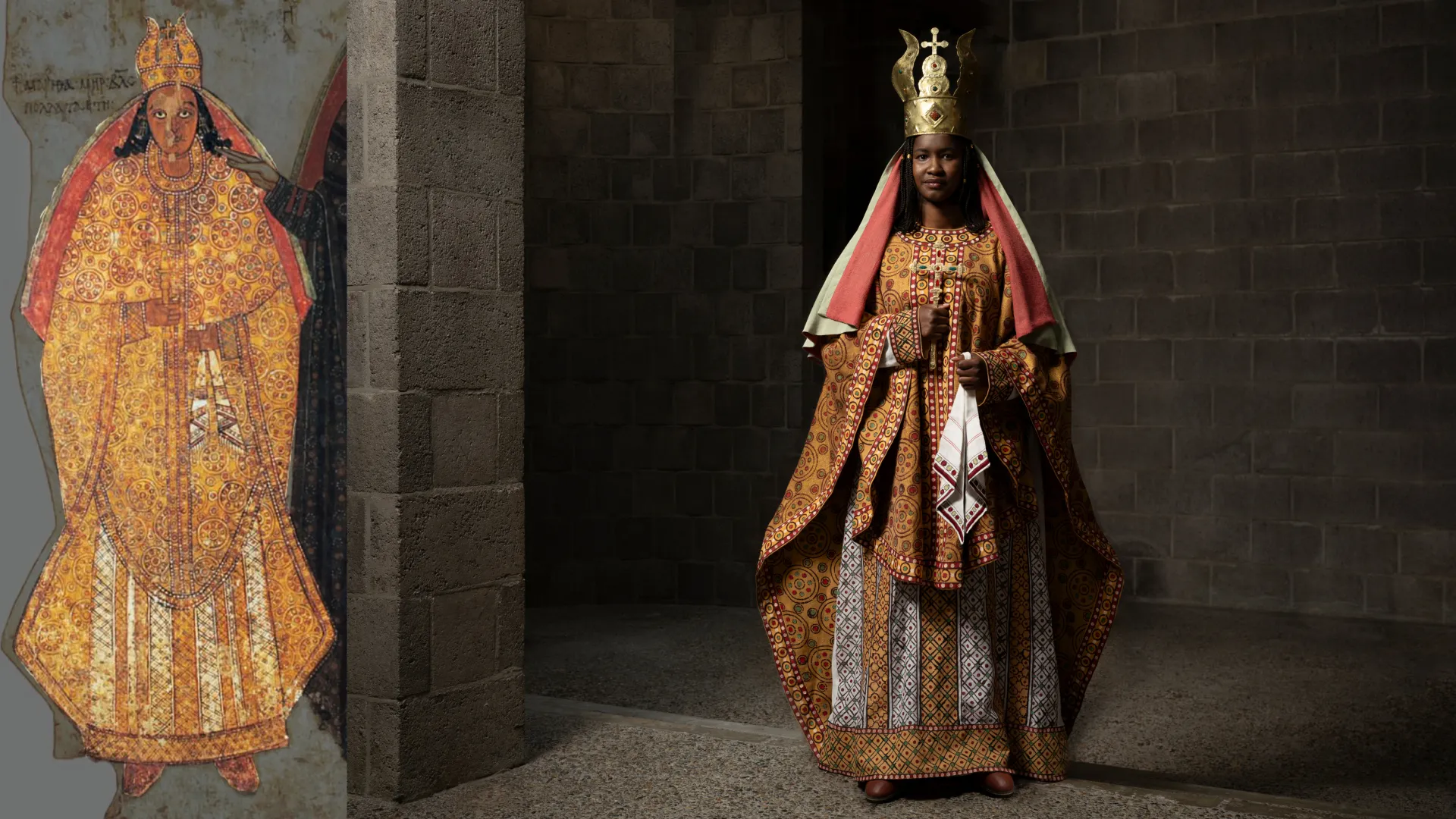
Researchers reconstruction royal Nubian clothes from tapestries.
(Image credit: Paulina Matusiak and Eddy Wenting)
Move over, Met Gala — the real fashion show this week came courtesy of these stunning re-creations of clothing from medieval Nubia (now parts of Egypt and Sudan). These lavish examples of clothes worn by royalty and clergy were based on murals of elite people painted in a cathedral up to 1,200 years ago and were re-created using fabrics and dyes available in medieval northeastern Africa.
Follow Live Science on social media
Want more science news? Follow our Live Science WhatsApp Channel for the latest discoveries as they happen. It’s the best way to get our expert reporting on the go, but if you don’t use WhatsApp we’re also on Facebook, X (formerly Twitter), Flipboard, Instagram, TikTok, Bluesky and LinkedIn.
TOPICS