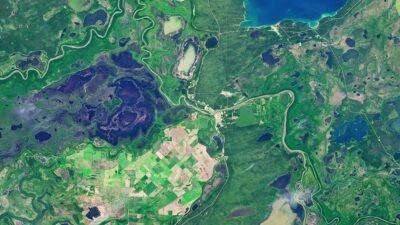


Galileo Space is building satellites designed to turn signals into answers in orbit. Modern defense and commercial operations need fast answers about what is happening and where. Existing systems can leave segmented data crawling through processing for hours or days. FPV drones and moving radars must be detected and tracked quickly. Ballistic missile launch plume detection can provide critical early warning. Interference disrupting navigation frequencies or crucial satcom links must be detected and traced to its source. A ship lost at sea may still broadcast a distress signal. A tumbling satellite may lose contact with the ground while still emitting signals that help locate it. Rescue crews may have only hours to find someone before nightfall.
The solution combines innovative sensors with AI fusion at the edge to generate actionable reports directly in orbit. The system is designed to operate fully autonomously for weeks, selecting and carrying out its own sensing tasks. It identifies threats, geolocates signals and delivers actionable intelligence to operators within minutes, not hours or days. The mission is to give defense teams the early warning they need to survive and commercial operators the answers they need to act.
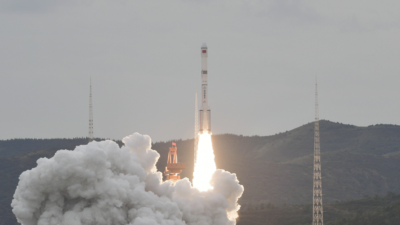
Working side by side with government stakeholders, the team has developed a deep understanding of operational needs and critical capability gaps. The company is in the final stages of securing its first government contract. Its first demonstration satellite is scheduled to launch in Q4 of 2027 to prove its capabilities in orbit and open the door to a potential Phase III government contract. Galileo has also deepened relationships with commercial companies that need near live data, creating a path to early revenue alongside its defense business.
Galileo was selected for a16z speedrun as one of 80 companies chosen from 30,000 applicants.
CEO: Brings a decade of experience in national security space and military systems at Northrop Grumman and Lockheed Martin. Led testing in orbit for protected military communications satellites and consulted for the U.S. Space Force on acquiring new technology. Combines spacecraft engineering expertise with deep knowledge of defense missions, government procurement and what operators need.
CSO: Was responsible for building machine learning systems for Google, YouTube and Amazon’s Prime Video. Brings expertise in AI, software infrastructure and building systems at global scale. Now leads Galileo’s satellite software, bringing that experience into orbit to turn complex sensor data into clear intelligence that operators can act on.
CTO: Designed, tested and delivered all RF radios for SpaceX Starship flights, owning the radios through Flight 10, including first booster catch at the tower. Introduced Starship’s first integrated Starlink phased array antenna and RTK GPS receiver hardware that helped guide the booster back to the tower. Previously worked on electronic warfare for a Navy jammer missile at Raytheon and designed high power RF amplifiers for the Navy and Ka band block upconverters for the Army at two startups.
Visit our website: https://galileo-space.com